

Why Phonics Beats Memorisation: What the Science Says
If you have ever watched a child stare at the word 'cat' and then confidently read 'dog', you have witnessed the limits of memorisation-based reading instruction. It is not the child's fault. It is the method.
For decades, many schools and enrichment centres taught children to read by recognising the shape of whole words, a method called the 'look-say' or 'whole language' approach. The problem? English has over 170,000 words in common use. No child can memorise them all.
The Science Behind Phonics
Research in cognitive science and literacy development consistently shows that Systematic Synthetic Phonics (SSP) is the most effective method for teaching children to read. Here is why:
- English is an alphabetic code: letters and combinations of letters represent sounds. Teaching children this code gives them a tool to decode any word, even one they have never seen before.
- Phonemic awareness is foundational: before a child can read, they must be able to hear and manipulate individual sounds in words.
- Cumulative learning works: when new sounds are introduced in a logical sequence, building from simple to complex, children develop mastery rather than confusion.
What Memorisation Looks Like in Practice
A child taught through memorisation might recognise 'the', 'and', 'cat', words they have seen repeatedly. But give them 'strap', 'blend', or 'thrush' and they are lost. This is why many children who seem like strong readers in K1 and K2 begin to struggle in P1 and P2, once the vocabulary expands beyond what they have memorised.
What The TLA Way Does Differently
At The Lit Adventure, we teach the Transformational Literacy Approach™, a logic-based, multisensory phonics method that gives children the tools to decode language independently.
- We teach sounds in a logical sequence, not the alphabet from A to Z
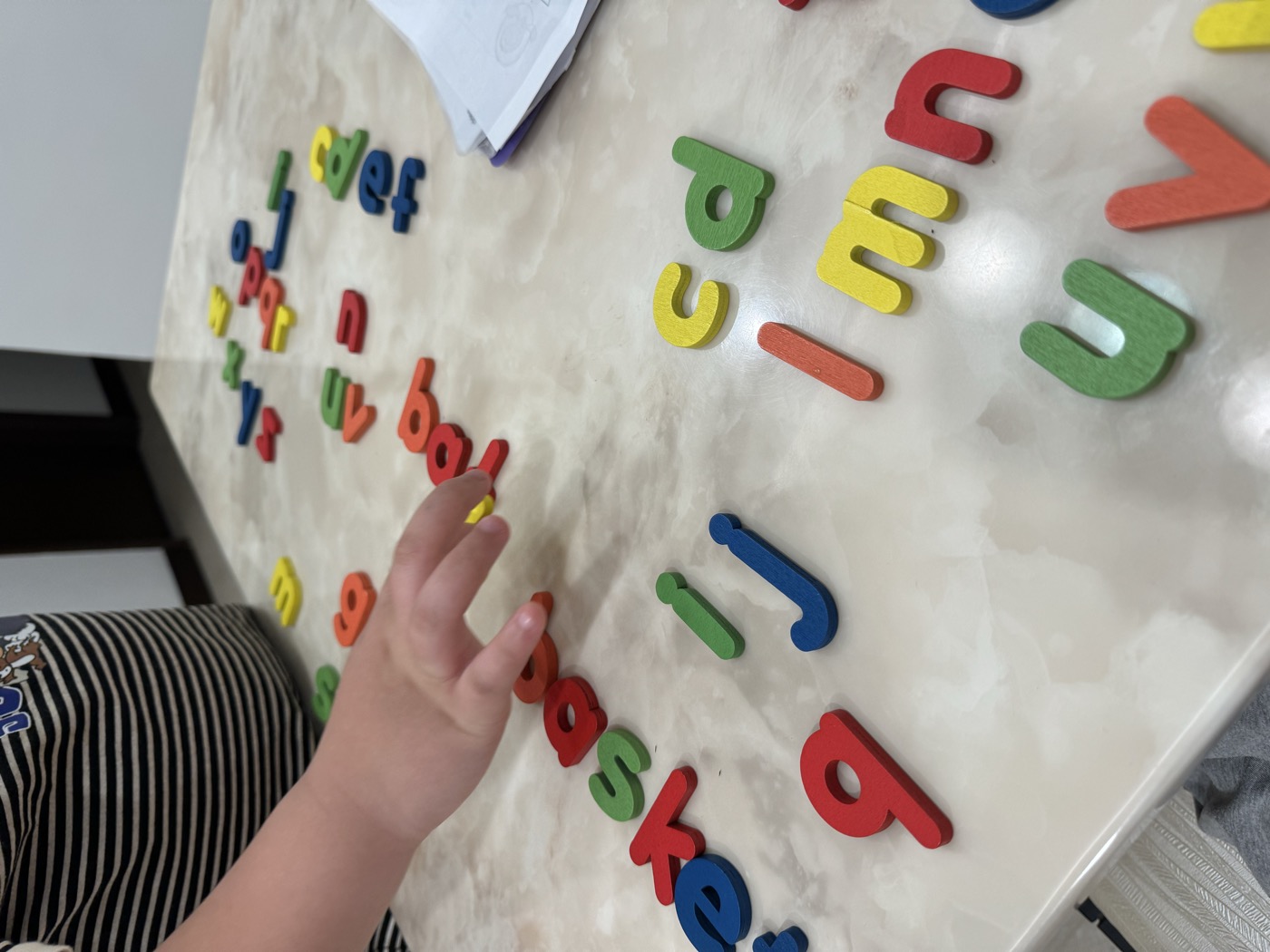
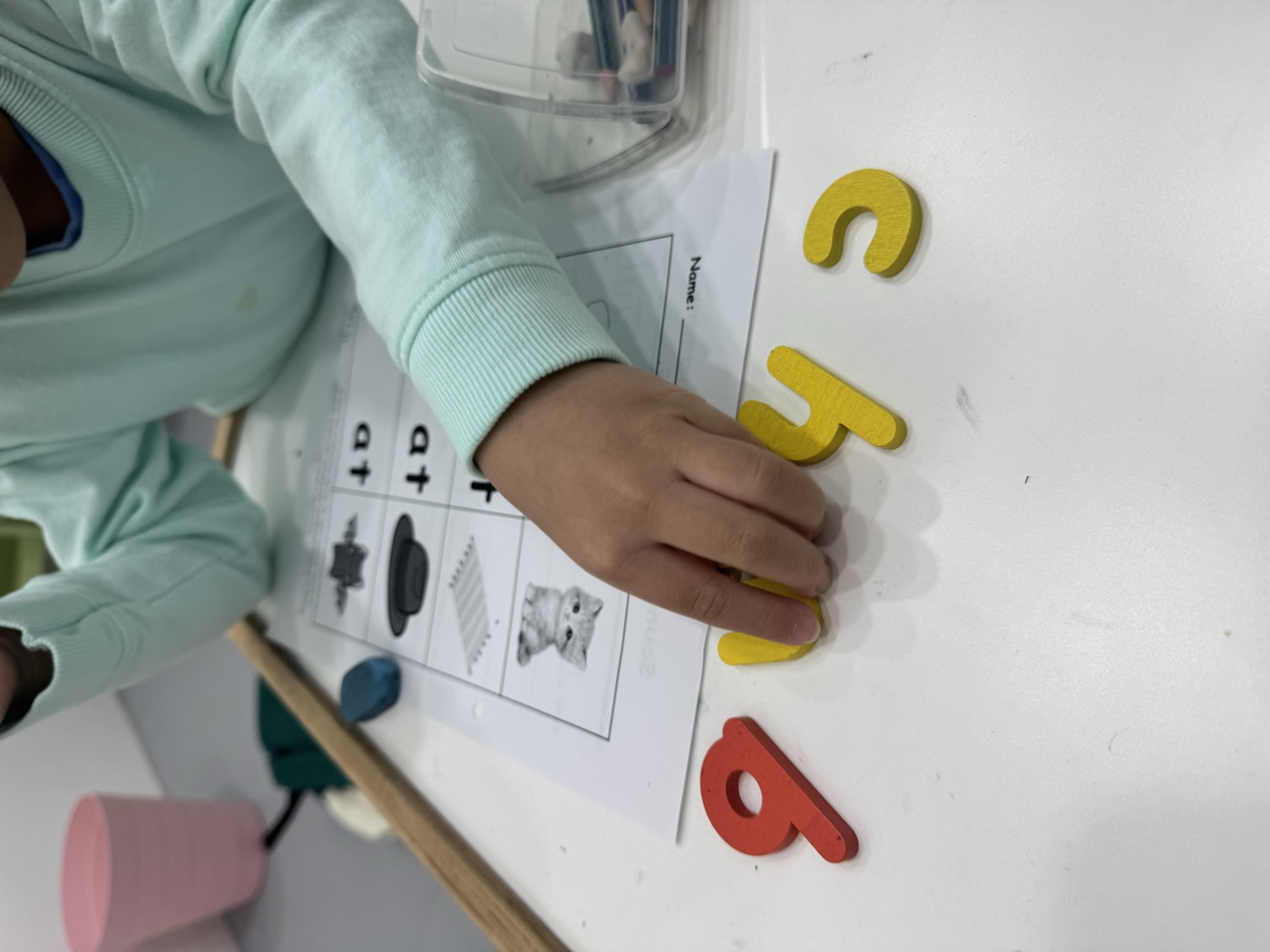
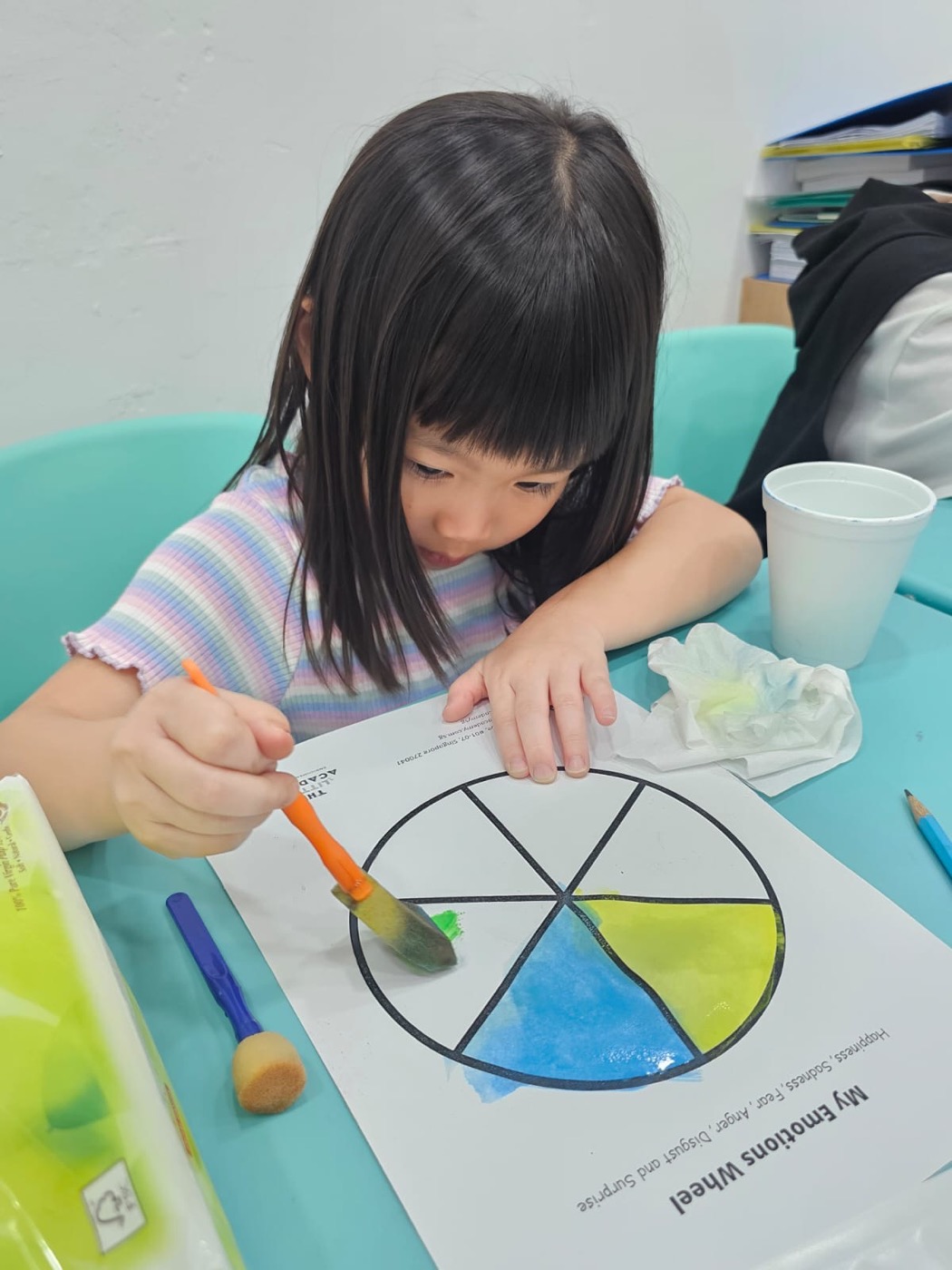
- We use VAKT techniques (Visual, Auditory, Kinesthetic, Tactile) so every child can access the learning
- We never ask a child to read a word containing a rule they have not yet been taught
- We teach the why behind every rule, so children build understanding instead of dependency
The result: children who can pick up an unfamiliar book and work through it. Children who understand language rather than just recognise it.
Is your child's reading built on logic, or on memorisation?