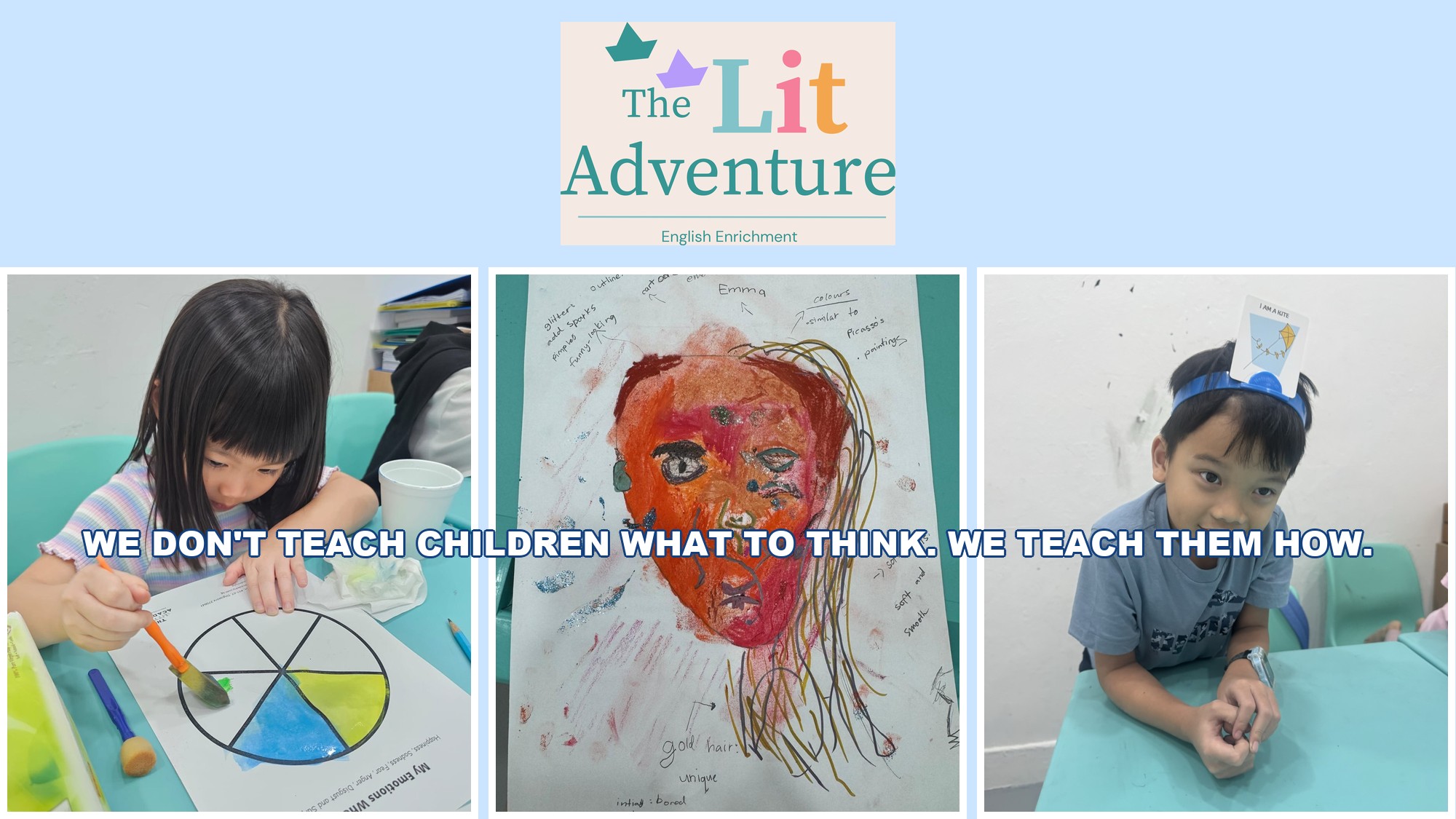
Children learn best when they understand the logic behind language, not just the rules. This is the Transformational Literacy Approach™.
When a 4 or 5-year-old reads "elephant" with confidence, most parents are thrilled. But often, the child is memorising the shape of the word — not actually reading it.
The trouble surfaces at Primary 1, when unfamiliar texts appear and the memory runs out. It's called the "P1 reading slump."
At The Lit Adventure, we don't teach children to memorise word shapes. We hand them the coding system of the English language itself.
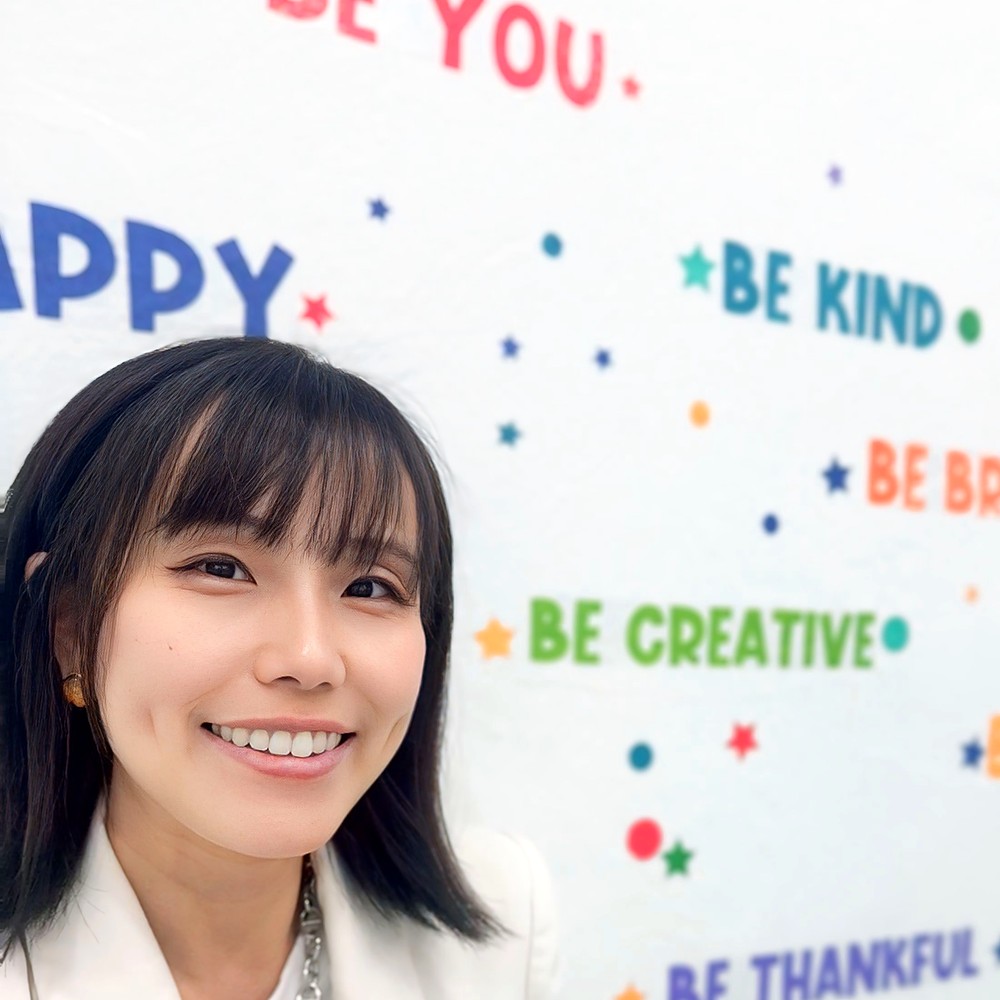
Founder, The Lit Adventure · 16 Years in Development
"The TLA shifts children from memorisation to mastery. We teach them the coding system of the English language — so every word they encounter is something they can decode, not just recognise." — Ms Eileen Tan
Developed through years of teaching since 2010, drawing on Systematic Synthetic Phonics, multisensory (VAKT) learning, art therapy, and Socratic inquiry — it powers every pathway at The Lit Adventure, from preschool to primary to creative writing.
Every rule has a reason. We explain the why before we teach the what — so children build understanding, not dependence.
Every concept is taught through Visual, Auditory, Kinesthetic, and Tactile (VAKT) channels. No child is left behind because of how they learn.
No new concept is introduced until the previous one is mastered. Every step is built on solid ground.
Confidence, curiosity, and emotional intelligence are woven into every lesson through reflection, art therapy, and growth mindset.
For children aged 4 to 6, the Transformational Literacy Approach is delivered through The TLA Way: a four-stage, multisensory phonics journey shared across our three preschool programmes — Emergent Literacy, The Sound Architect, and Jumpstart to P1 — building from the ground up.
For students in Primary 1 to 6, the Transformational Literacy Approach evolves into The TLA Prism: a thematic, integrated approach that develops real thinkers, real writers, and real communicators. It's fully aligned with the MOE English syllabus — covering reading comprehension, synthesis & transformation, vocabulary, grammar and oral communication.
Like a prism splits light into colour, one real-world theme each term splits into four writing and thinking skills — so nothing feels isolated.

Research, Expository & Informational Literacy
Students learn to analyse information, conduct research, organise ideas logically, and write reports and expository texts, supporting their opinions with evidence.

Journalism, Interviews & Communication Literacy
Students learn to ask purposeful questions, conduct interviews, listen actively, and transform spoken ideas into written communication.

Creative, Descriptive & Composition Writing
Students learn to craft engaging narratives, develop characters and settings, and use descriptive, figurative language — meeting MOE composition requirements along the way.

Expressive & Functional Writing
Students learn to reflect on their own experiences, respond to literature and current affairs, and write real-world texts — from opinions and letters to reports and guides. This is The Literary Architect™ in action.
Every lesson draws on the same toolkit: structured discussion, close reading, purposeful research, and reflective writing — all mapped to the MOE English syllabus.
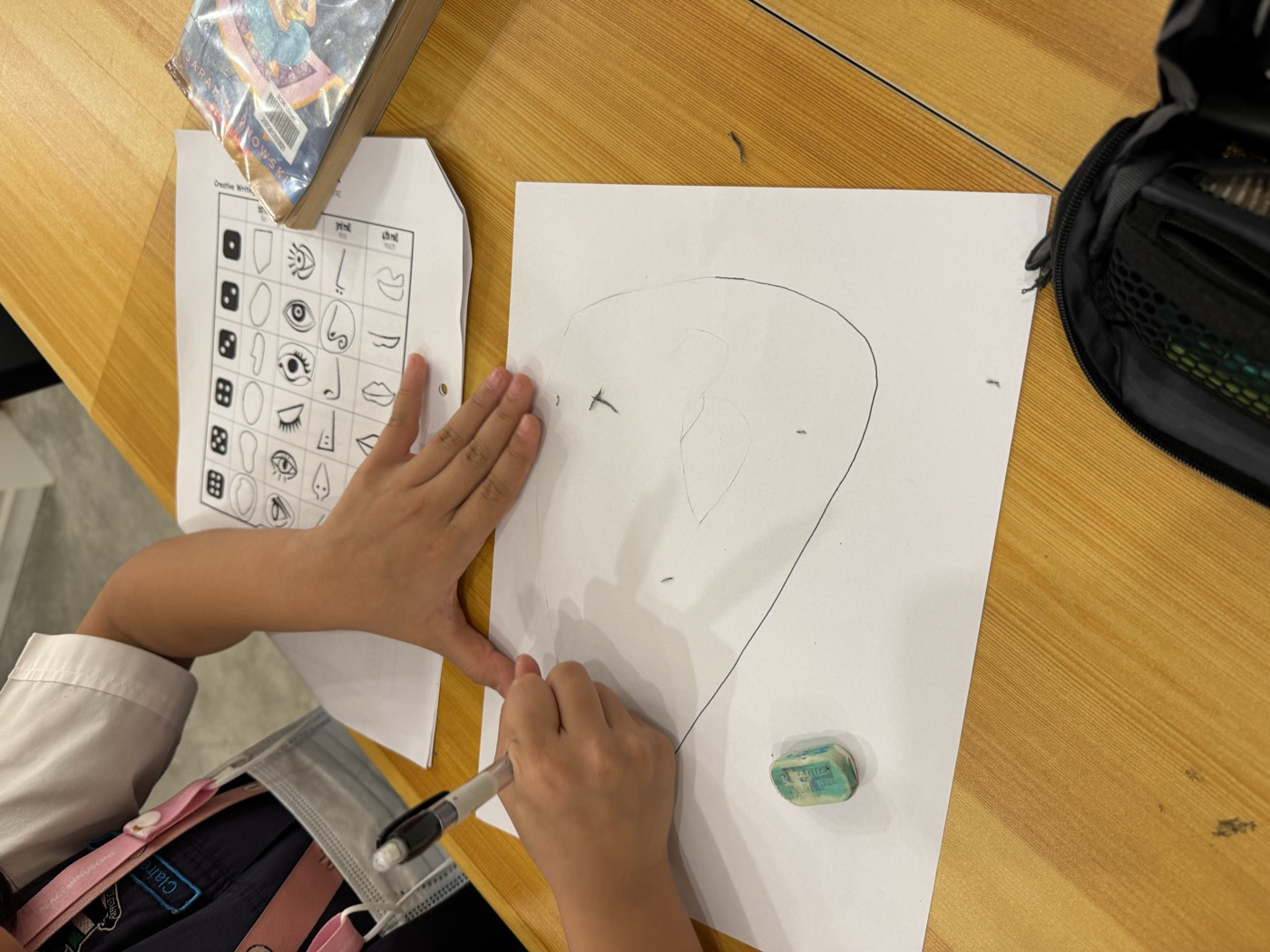
Ms Eileen Tan is certified in Art Therapy — and it shapes the way we teach writing. In select lessons, students sketch a character's emotions or build a visual storyboard before they write, so they feel a story before putting it into words.
The best way to understand it is to experience it. Reach out to find out more about our programmes and schedule.
Let us help you understand your child's literacy level — no obligation, just a conversation.